Mastering the Retirement Speech: MAKE IT COUNT
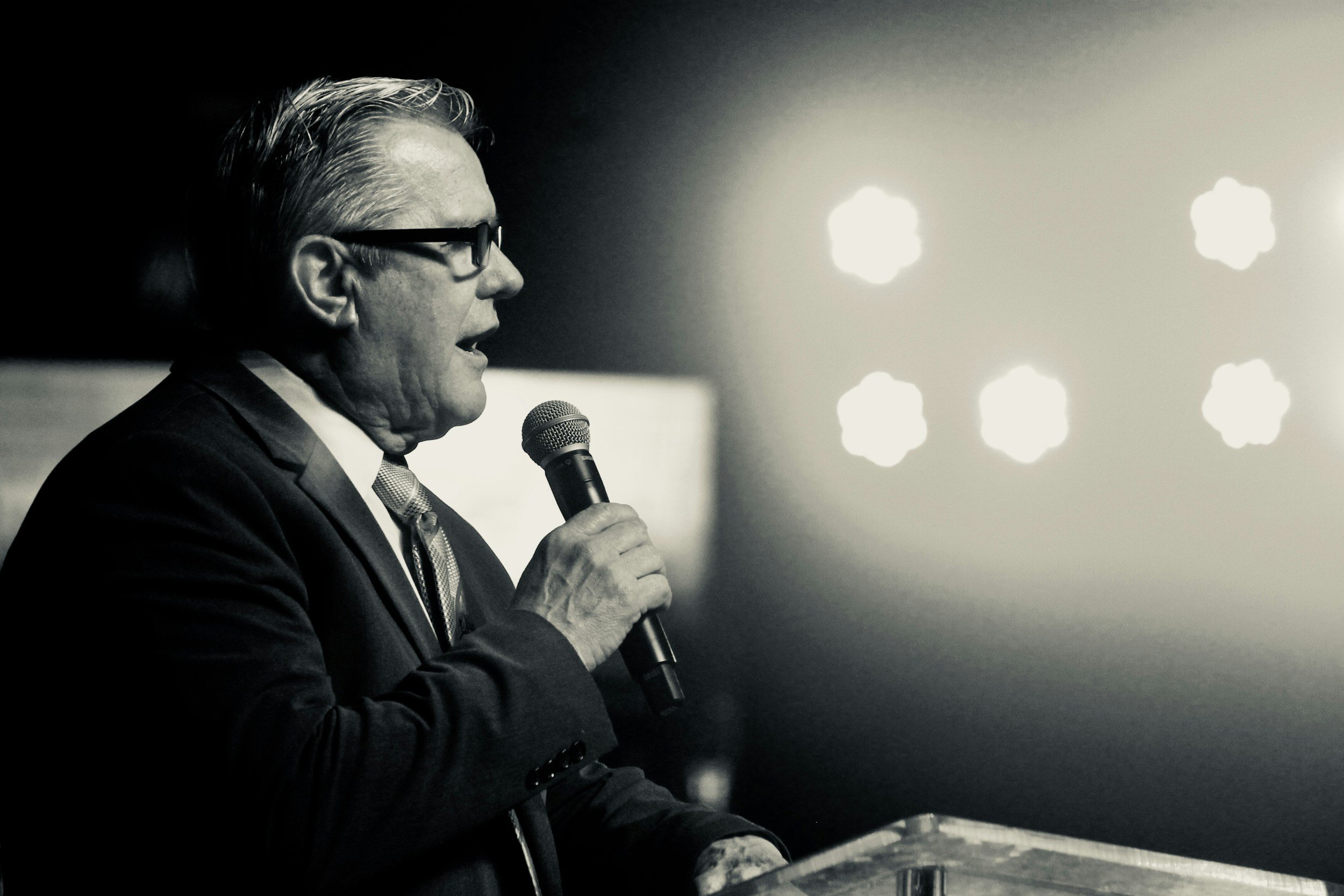
How to Speak with Confidence, Clarity and Heart at One of Life’s Pivotal Moments
There comes a moment in almost every workplace where the usual rhythm of meetings and milestones pauses — and everyone gathers to mark an ending. Retirement speeches are a unique kind of address. They are not business updates or strategy briefings. They are human, emotional, and, at their best, unforgettable.
But delivering a retirement speech — for a colleague or for yourself — can be daunting. The stakes feel higher than usual. You’re expected to strike the right balance between gratitude, humour, and sincerity. And if public speaking already makes you nervous, the added emotional weight can make things even harder.
This blog post is your guide to preparing and delivering a retirement speech that feels meaningful, confident, and true to the moment. Whether you’re new to public speaking or already experienced, you’ll find practical techniques, psychological insights, and actionable exercises to help you rise to the occasion.
Why Retirement Speeches Matter
Retirement marks the end of a professional era and the beginning of something new. It’s an opportunity to honour someone’s contribution, reflect on their legacy, and send them off with warmth and dignity.
But the power of these speeches lies not just in what is said, but how it is said. A well-prepared retirement speech does more than list achievements — it captures essence, personality, and the quiet impact of years well spent.
Common Challenges When Giving a Retirement Speech
Before we look at how to write and deliver a brilliant speech, let’s name the common pitfalls many speakers face:
Stage fright – The fear of freezing, fumbling, or simply falling flat.
Unclear structure – A speech that meanders or feels directionless.
Lack of audience engagement – Struggling to hold attention or connect emotionally.
Monotone delivery – Failing to bring the speech to life vocally.
Ineffective body language – Stiffness or awkwardness undermining confidence.
Each of these is entirely normal. And each of them is solvable.
Managing Nerves: Turning Fear into Focus
Even experienced speakers feel nervous — that adrenaline is part of what helps us perform. The key is learning how to channel it.
Understanding the Psychology:
Fear of public speaking often stems from our brain interpreting an audience as a threat. It triggers the fight-or-flight response, even when we’re simply standing in front of colleagues. The good news is, your brain can be trained to interpret this differently.
Techniques to Reduce Anxiety:
Preparation over perfection – You don’t need to be flawless; you need to be prepared. Knowing your material gives your brain something to anchor to.
Focus on service, not self – This speech isn’t about you. It’s about the person retiring. Let your attention move outward.
Grounding rituals – Try breathing exercises, stretching, or walking before you speak. Your body needs to feel safe.
Try This Exercise:
Stand tall, close your eyes, and imagine delivering your speech with calm clarity. Feel the room responding warmly. Do this visualisation daily in the week leading up to the speech. This mental rehearsal builds familiarity and eases fear.
Structuring Your Speech with Purpose and Impact
A strong structure is a gift to both the speaker and the listener. It helps you stay on track and helps your audience stay engaged.
A Simple Yet Effective Framework:
Opening – Greet the audience, introduce yourself (if necessary), and briefly say why the occasion matters.
Beginning of their journey – Reflect on how the retiree started at the organisation.
Key contributions – Highlight major accomplishments, projects, or milestones.
Character and values – What kind of person have they been at work? How have they made others feel?
Memories and stories – Share one or two specific anecdotes that capture their spirit.
Farewell message – Offer good wishes for retirement, express thanks, and end with a toast, quote, or final thought.
Be Selective, Not Exhaustive:
A retirement speech is not a CV reading. Choose moments that resonate. Prioritise what shows depth of character, not just career.
Creating Emotional Engagement
Great speeches don’t just inform — they move people. To do that, you need to connect.
Ways to Build Connection:
Speak as a human, not a presenter – Use natural language. Be conversational, not performative.
Find shared moments – Highlight times that others in the room will remember too.
Use contrast – Pair humour with tenderness. Lightness with insight. It’s the variation that gives shape to the speech.
Avoid the Pitfalls:
Don’t rely on clichés (“always a team player”) — show what you mean with a real example.
Don’t overdo inside jokes. Make sure your speech is accessible to everyone in the room.
Try This:
Write down three adjectives that describe the retiree. Then, for each one, write a memory or story that proves that quality. You’ll create specific, rich content rooted in truth.
Bringing the Speech to Life: Voice and Body Language
Even a beautiful speech can falter if it’s delivered in a dull or distracted way. Let’s bring it off the page.
Vocal Technique:
Vary your pitch and pace – Slow down for key points. Use pauses for effect.
Emphasise emotionally charged words – Give weight to phrases that matter.
Practise aloud – Always. Reading silently doesn’t prepare your voice for the real event.
Physical Presence:
Stand tall and relaxed – Confident posture affects how you feel and how you’re perceived.
Make eye contact – Don’t scan robotically. Pause on faces. Let connection guide you.
Use gestures – Keep them natural. Your hands should support your story, not distract from it.
Rehearsing for Confidence
Rehearsal doesn’t make your speech robotic — it makes it reliable. The aim is fluency, not rigidity.
Rehearsal Tips:
Practise in real conditions – Stand up, speak out loud, time yourself.
Get feedback – Practise with a trusted friend or coach. Ask what they felt, not just what they heard.
Record yourself – It’s awkward, yes, but hugely illuminating. Watch for pacing, clarity, and tone.
A Final Word of Encouragement
A retirement speech is a once-in-a-career moment. It doesn’t need to be grand or dramatic. But it should be honest, well-considered, and genuinely felt. That’s what people remember.
Don’t aim to impress. Aim to express.
Take Your Speaking to the Next Level
If you're facing a retirement speech — or any important speaking event — I’d love to help you prepare. One-to-one coaching can make the difference between feeling unsure and stepping up with confidence.
Together, we can:
Shape your message to resonate deeply.
Practise your delivery to feel and sound like your best self.
Work through nerves and find your authentic speaking style.
Public speaking is a skill — and like any skill, it improves fastest with guidance, support, and practice.
Get in touch today to book a coaching session. Whether you're saying goodbye, welcoming a colleague, or addressing a boardroom, you deserve to feel ready, grounded, and proud of what you say.
Let’s make your next speech one to remember — for all the right reasons.
